Online slots once relied heavily on familiar reel arrangements, straightforward symbol sets and a limited number of features. Modern titles have expanded that framework considerably. Reel structures change during play, symbols move in different ways and bonus sequences introduce interactions that look and feel distinct from the main game.
Technology has changed the presentation as well. Slots now need interfaces that work across desktop and mobile screens while keeping rules, controls and visual information readable. For players, understanding these design features makes it easier to see why two games in the same category can feel completely different.
1. Reel Layouts Have Become More Flexible
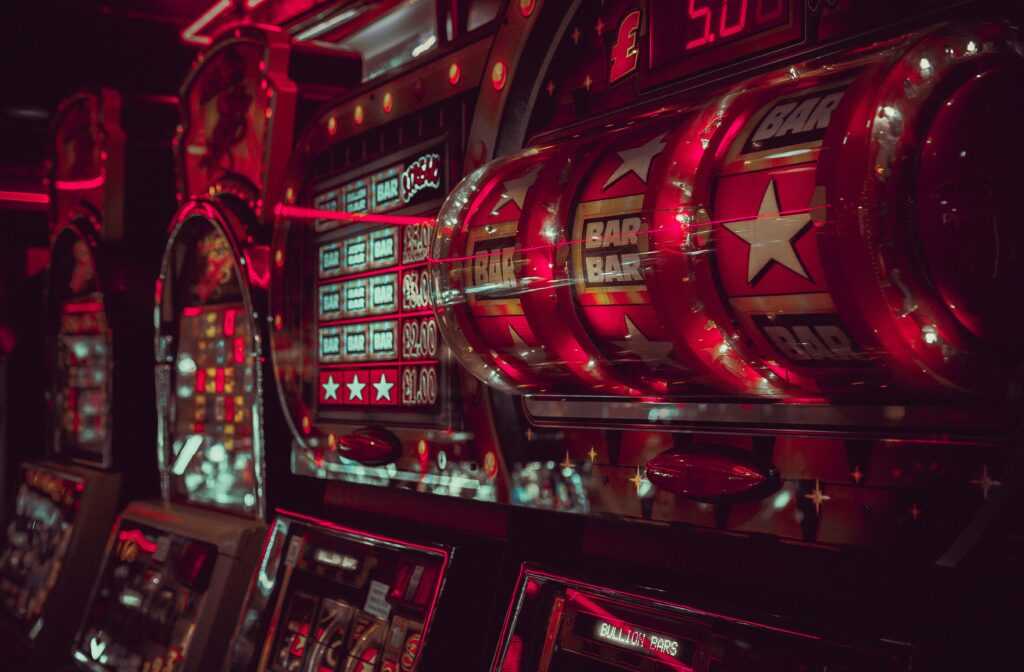
Traditional slot design makes fixed reels and paylines immediately recognizable. That structure remains part of online slots, but modern games also use layouts that change how symbols occupy the screen and how combinations are evaluated.
Megaways is one prominent example. Big Time Gaming developed the system around changing symbol counts on individual reels. Its Bonanza title combines Megaways with a cascading reel system, demonstrating how a slot layout no longer needs to remain visually static throughout every sequence.
This broader approach gives players more reel formats to distinguish when exploring current games. Some titles retain three or five familiar reels, while others use changing reel heights, grids or systems based on numerous possible symbol arrangements.
These structures appear alongside one another in large online slot libraries. Players who play slots at FanDuel, for example, encounter titles using traditional layouts as well as Megaways, Hold and Win and other modern formats. The range illustrates how reel structure itself has become a defining part of a slot’s identity rather than simply a frame for its symbols.
2. Cascading Symbols Have Changed What Happens on the Screen
A traditional reel sequence has a clear endpoint when the reels come to a stop. Cascading systems introduced another approach by allowing symbols to disappear and new ones to enter the same layout as part of an ongoing sequence.
Big Time Gaming uses this concept in Bonanza through its Duel Reaction cascading reel system. When a winning combination is formed, the winning symbols disappear and new symbols fall into their place, creating the possibility of another win from the same spin.
For players, the important difference is visual and structural. A cascade creates several stages within one sequence rather than treating the initial reel stop as the end of everything happening on screen. New symbols occupy spaces left by previous ones, so the layout continues changing before returning to its starting state.
The concept has also influenced how information is presented. Animation needs to make each transition clear and understandable, while the interface must show when a sequence continues and when regular reel movement resumes. Modern slot design therefore depends on more than the symbols themselves. Movement and visual sequencing have become part of how the game communicates its mechanics.
3. Bonus Features Add New Layers of Gameplay
Bonus features no longer need to look like extensions of the standard reel screen. Many modern slots move into a separate sequence with different symbols, counters, grids or interactions when a feature begins.
Hold and Spin provides a clear example of this approach. The format generally keeps designated symbols in place while the remaining positions continue through a limited sequence of respins. New qualifying symbols remain on the grid and the counter resets according to the rules of the individual game.
The important design change is the separation between the main game and the feature. Instead of simply adding a different symbol or animation to the existing reels, a bonus can introduce its own visual rules. Players need to understand which elements remain fixed, which can change and how progress through the feature is communicated on screen.
Recent releases from leading game developers reflect a broader industry emphasis on more elaborate bonus features and feature-led design. The design emphasizes smooth mechanics, bonus flows, feature presentation, animation, sound and interface clarity, alongside the underlying rules that determine how frequently different outcomes occur.
These elements work together so a bonus sequence feels distinct while remaining understandable within the wider game context.
4. Mobile Screens Have Changed Interface Design
Moving slots from desktop screens to phones changes the space available for reels, controls and game information. A mobile layout has to accommodate touch interaction while presenting essential information for players.
Responsive digital design reorganizes content according to the available screen. For online slots, that affects several visible elements:
- Reel size and readability,
- Touch friendly controls,
- Menu and paytable access,
- Game information placement,
- Portrait and landscape layouts.
These elements compete for limited screen space, making visual hierarchy an important part of the mobile experience. The reels still need enough room to remain legible, while controls and game information need clear positions around them.
Modern slot design increasingly treats the space around the reels as part of the experience itself. On smaller screens, controls and information need to support the visual presentation rather than compete with it.
5. Visuals, Sound and Interface Work as One System
Modern slot design involves more than choosing a theme and providing the mechanics that order symbols on the reels. Broader trends shaping online casino games reflect how visual direction, animation, sound, interface messaging and game mechanics increasingly work as connected parts of the same experience.
Modern slot design typically brings together several disciplines. Designers shape themes, symbols, features and visual presentation while working alongside developers, technical artists, animators, sound designers and quality assurance teams.
That coordination matters from a player’s perspective because each element communicates something different. Animation marks transitions between game states. Sound reinforces changes on screen. Interface messages explain features, while symbol design helps separate ordinary reel elements from those with additional functions.
The result is a more layered form of visual communication. A theme establishes the setting, but the surrounding design also needs to explain what is happening without overwhelming the screen. Strong modern slots use presentation and mechanics together, giving each visual or audio element a clear role within the overall game.
How Slot Design Became Part of the Experience
The evolution of online slots is visible in the space between the reels as much as on them. Flexible layouts and cascading symbols changed how the screen moves, while distinct bonus sequences introduced new forms of interaction. Mobile use then placed greater importance on controls, readability and information hierarchy.
That combination has made design part of how players understand a slot rather than simply how the game looks. The most noticeable shift is not one mechanic or visual trend. It’s the way reel structure, features, interface, animation and sound now operate as connected parts of the same experience.
 Mark Buxtononics is the Senior Betting Analyst at Gamble Time Hub, bringing sharp analytical skills and a deep understanding of betting markets to the forefront. Specializing in data-driven insights and predictive analysis, Mark delivers in-depth evaluations of sports betting trends, odds movements, and strategic plays. His work helps readers make smarter, more informed decisions across a variety of betting platforms. With a commitment to clarity and accuracy, Mark plays a key role in establishing Gamble Time Hub as a reliable source for expert betting knowledge.